Australia’s energy future is being shaped by people curious enough to ask how things work and brave enough to help change them.
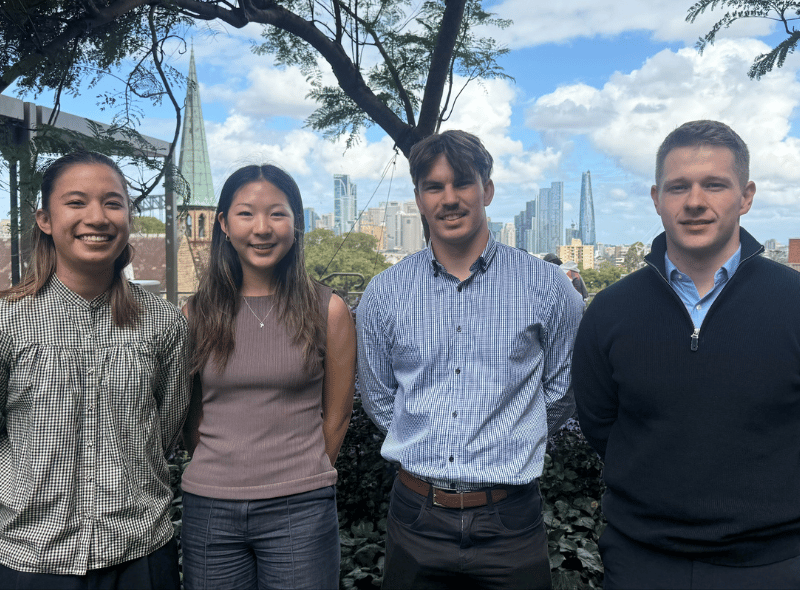
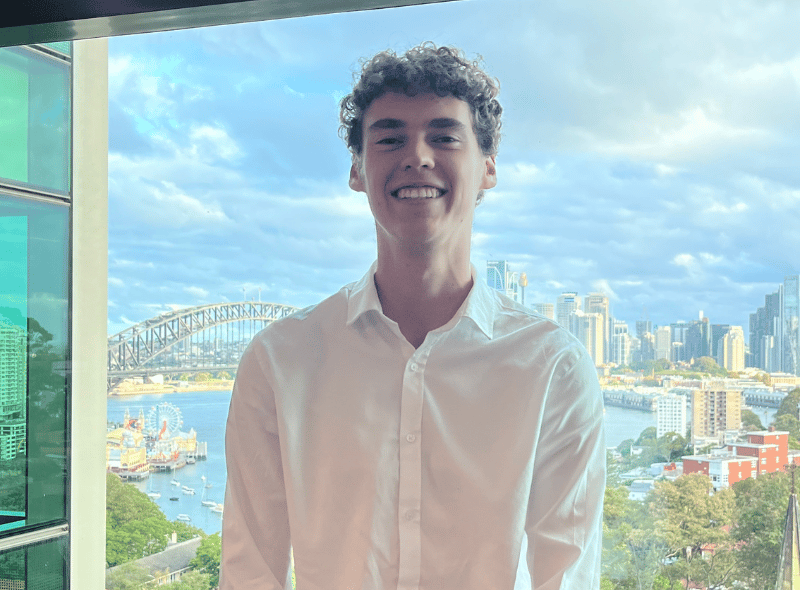
The 2026 energy and industrial undergraduate cohort at UGL brings together seven engineers at the very start of that journey, united by a shared interest in technology, infrastructure and the transition to renewable energy.
Electrical engineering offers the perfect balance of logic and creativity for Danaan Lawton. “It felt like a natural fit, bringing together analytical thinking and creative problem solving,” he says. Drawn to large, evolving systems, he is keen to see how wind and power projects move from design through to delivery.
Working on projects that make a tangible difference was a key driver for Janna Delos Reyes, who sees the sector as a place to create real impact. “I was drawn to the energy and industrial sector because it gave me the opportunity to work on large scale projects where my work is meaningful and valued,” she says. Her time at UGL has already provided valuable insight into how engineering, tendering and construction intersect.
Caroline Lee's motivation is clear. “The future is transitioning towards an electrified society, and electricity is the backbone of emerging technologies,” she says. With a strong interest in renewables, she is excited to help deliver solar (photovoltaic) and battery storage projects and to learn how infrastructure is built across Australia.
Curiosity has shaped Jonnah Figues’ path since childhood. “Even though we might not always see electricity, it is fundamental to our everyday life,” she explains. Working in the energy and industrial team has given her exposure to large-scale renewable systems at a time when the industry is rapidly transforming.
That transformation is what inspired Jack Hettler to pursue a career in energy. “Creating a fully renewable grid will not only benefit Australia but the global climate,” he says. Through UGL, he is developing technical skills while seeing how designs translate into projects delivered on site.
For Beau Edwards‑Dart, the appeal lies in seeing engineering take physical form. “Having a tangible result for your work is incredibly rewarding,” he says. The undergraduate program is giving him site experience and collaborative skills essential for designing solutions that work in practice.
A love of problem solving first led Jude Seton into engineering, and renewables kept him there. “I enjoy working through the challenges that come with designing something,” he says. Understanding how office-based design becomes real infrastructure on site is what excites him most.
Together, this cohort is building more than technical capability. They are developing confidence, communication skills and a clear understanding of how major energy projects are delivered. At UGL, their story is just beginning, but the impact of what they will help create is already taking shape.